If you’ve been considering starting a PS1 collection, you’ve likely wondered whether it’s worth the investment of time, money, and space.
With emulation offering free and instant access to thousands of games, why bother tracking down physical copies? The answer isn’t straightforward, and it depends entirely on what you’re seeking from the experience.
Physical collecting offers something fundamentally different from downloading ROMs - a tangible connection to gaming history, personal nostalgia, and the satisfaction of building something meaningful.
Let’s explore the various reasons why collectors choose physical hardware over digital convenience, and help you decide if it’s the right path for you.
Emulation vs. Hardware
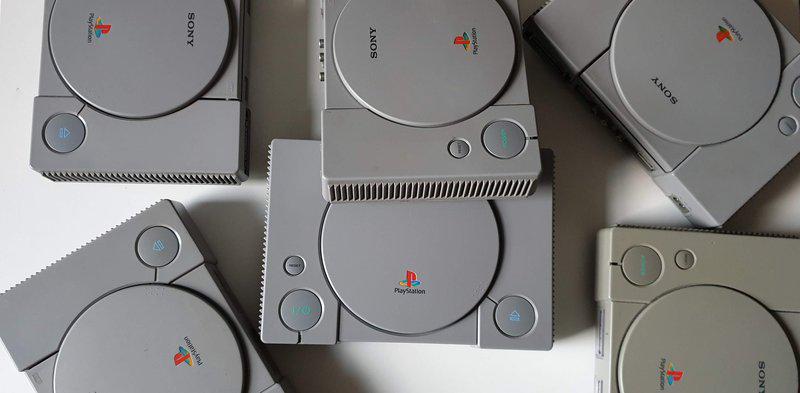
The choice between physical retro gaming and emulation fundamentally shapes your experience. Emulation offers immediate convenience - ROMs are easily accessible and free, giving you instant access to vast libraries without physical storage requirements. However, this abundance creates a tendency to treat games as disposable, playing just the first five minutes before moving on without real commitment. When everything is available, nothing feels special.
Physical hardware demands investment. Purchasing games creates financial commitment that encourages you to give titles a proper chance. The process itself adds value - selecting a game from your shelf, inserting the disc or cartridge, and booting up the console creates ceremony and anticipation. These small rituals transform gaming from casual sampling into an intentional experience.
The tactile elements matter. Handling original cases, reading printed manuals, and using authentic controllers enhance immersion in ways emulation cannot replicate. For PAL collectors, playing on original hardware with CRT displays recreates the authentic experience as games were sold in the PAL region.
Physical collecting requires dedicated space for consoles and games, plus time for maintenance and organization. These barriers are real limitations, but they paradoxically add value. The effort invested makes experiences more meaningful. You’re curating a finite collection rather than accessing an overwhelming digital library, which encourages completion and deeper engagement with each game.
Neither approach is superior - they serve different purposes. Emulation excels for sampling and accessibility, whilst physical hardware creates intentional, invested experiences. Understanding these differences helps you choose what best matches your gaming priorities.
Nostalgia
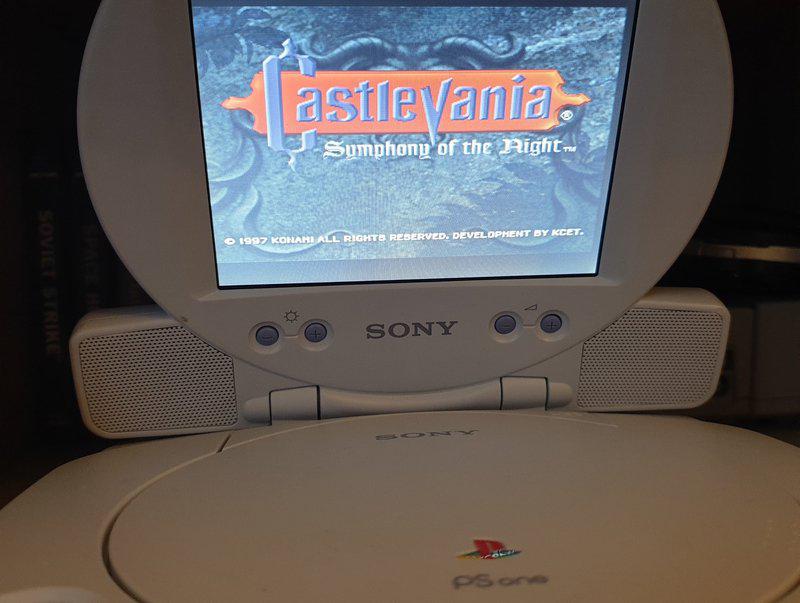
Nostalgia drives much of the passion behind physical retro game collecting. Owning the actual boxes you saw in Woolworths or Toys R Us as a child recreates powerful emotional connections to formative years. These aren’t just games - they’re tangible links to memories of playing with friends, weekend trips to the video shop, or Christmas mornings unwrapping new releases. Physical collecting allows you to literally hold your childhood again. The weight of a PS1 jewel case, the distinctive smell of opening a decades-old manual, or seeing familiar PAL cover art instantly transports you back. These sensory experiences trigger memories in ways digital files cannot replicate. For many PAL collectors, rebuilding their lost childhood collections becomes a personal mission. Games once traded away or sold by parents gain new significance. Hunting down specific PAL versions you once owned creates a treasure hunt where finding that exact edition feels like reclaiming a piece of your past, making physical collecting deeply personal rather than purely practical.
Physicality
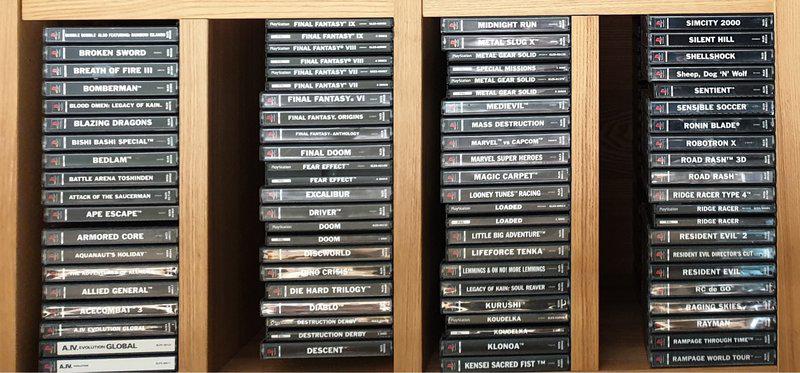
There’s something deeply satisfying about the tangible nature of physical game collecting that transcends the games themselves. Seeing your collection displayed together on shelves creates a visual representation of your passion and gaming history. Each spine lined up becomes part of a larger tapestry, transforming functional storage into a personal museum that tells your story as a gamer.
Handling the games enhances the experience significantly. The weight and texture of PS1 jewel cases, the satisfying click of closing a case or inserting the disk into the console and, the distinctive feel of different packaging styles - these tactile interactions create sensory connections to your collection. Opening a case to reveal the disc nestled inside becomes a small ritual that adds ceremony to gaming.
Manuals deserve particular appreciation. Flipping through printed pages, studying artwork, reading developer notes, and examining maps or character guides creates anticipation before playing. These booklets represent craftsmanship and care that digital distribution has largely abandoned. PAL manuals often featured multi-language text and region-specific artwork that adds historical context.
The cover art itself holds artistic value. PAL releases frequently showcased distinctive European designs different from their NTSC counterparts. These boxes become collectible art pieces worthy of display, with iconic imagery that instantly evokes memories and emotions. Physical collecting transforms games into tangible artifacts you can appreciate aesthetically, not just digitally consume.
Finally, in the current climate of many games being digital only, and even physical games requiring updates from online servers - it’s lovely to have a game that just works from the start and doesn’t require the internet.
Investor
Physical retro games represent a unique investment opportunity driven by fundamental supply and demand dynamics. The supply of original PAL games can only diminish over time. Discs deteriorate through disc rot, cases crack, manuals get lost, and complete copies become increasingly scarce. No new stock will ever be manufactured, creating a shrinking supply for well-preserved examples.
Demand, conversely, is poised to rise significantly over the next decade or two. The millennial generation who grew up with PS1 and similar consoles are now entering their peak earning years. As disposable income increases, many are seeking to reconnect with childhood memories through collecting. This demographic shift combines powerful nostalgia with actual purchasing power, driving prices upward for desirable titles.
Rare PAL releases have already demonstrated impressive appreciation. Games like Suikoden II or Tombi! command hundreds of pounds, whilst even common titles in pristine condition with original packaging steadily increase in value. Sealed games appreciate fastest, but even well-maintained used copies gain worth as collectors seek quality examples.
The key is condition and completeness. Games with original cases, manuals, and inserts in excellent condition will likely see the strongest returns. As this generation ages and nostalgia intensifies, expect the retro gaming market to mirror trends seen in vintage toys and comics, where childhood treasures become serious collectibles commanding premium prices.
However, whilst the investment potential is real, games should primarily be collected for personal enjoyment and passion rather than purely financial returns - the best collections are built by those who genuinely love what they’re preserving!
The Completionist
Many collectors are driven by the satisfaction of completion itself, independent of playing the games. The goal becomes building definitive sets - perhaps every PAL PS1 release, a complete franchise collection, or every game from a beloved publisher. This completionist mindset transforms collecting into a structured challenge with clear objectives.
There’s genuine satisfaction in filling gaps and watching your collection grow systematically. Tracking down that final missing title to complete a set delivers a unique thrill that casual gaming cannot replicate. Spreadsheets, checklists, and databases become tools for managing the quest, turning collecting into a hobby unto itself.
Some collectors focus on specific themes - all racing games, every RPG, or titles from a particular year. Others pursue quality over quantity, curating collections of only the best games or those with personal significance. The specific goal matters less than having one.
This approach values the collection as an achievement and display piece. The games become parts of a larger whole, where individual titles gain meaning through their contribution to the complete set rather than their gameplay alone.
Finding Your Personal Path in Retro Collecting
Physical retro game collecting ultimately comes down to defining what matters to you personally. Whether driven by nostalgia, investment potential, the tactile joy of handling original materials, or the satisfaction of completing sets, your collection should reflect your individual goals and passions rather than following someone else’s blueprint.
The beauty of collecting lies in its flexibility. You might chase complete PAL PS1 sets, curate only childhood favourites, or build a museum of rare titles. Perhaps you’re drawn to the physical presence of games displayed on shelves, or motivated by preserving gaming history for future generations. Maybe it’s the thrill of hunting charity shops for hidden gems, or the investment potential as millennials enter peak earning years with growing disposable income.
What distinguishes physical collecting from emulation is intentionality. The barriers - cost, space, time - force you to make conscious choices about what deserves a place in your collection. This curation process creates meaning. Each game represents commitment rather than casual sampling, transforming your collection into a personal narrative rather than an overwhelming digital library.
Your goals will evolve. You might start recreating childhood memories, then discover investment opportunities or become fascinated by rare variants. The journey itself becomes rewarding as you connect with fellow collectors, learn gaming history, and build something tangible.
Success isn’t measured by collection size or monetary value, but whether your collection brings you satisfaction and reflects your personal relationship with gaming. Define your own goals, pursue them authentically, and let your collection tell your unique story.