Dimensions: 142.0mm × 125.0mm × 17.0mm
Carthuplas - Brilliant Maxibox Black
This case was used for a specific period early in the PlayStation’s lifetime. These cases were patented and manufactured by Carthuplas, a Belgian company based in Thulin that specialized in optical disc packaging from the late 1980s onward. The Brilliant MaxiBox was actually one of their key product launches, and the company later followed it with innovations like the Clip Tray in 1999 and the FlexBox for DVDs in 2001. As a double box, it could hold one or two disks and was designed to accomodate a booklet of up 72 pages. The two-color injection molding system made it a shockproof multimedia CD box which combined with their patented hinge made it a robust CD package with decent protection. The Brilliant Maxibox was designed to respect existing manufacturing and storage standards for CD cases.
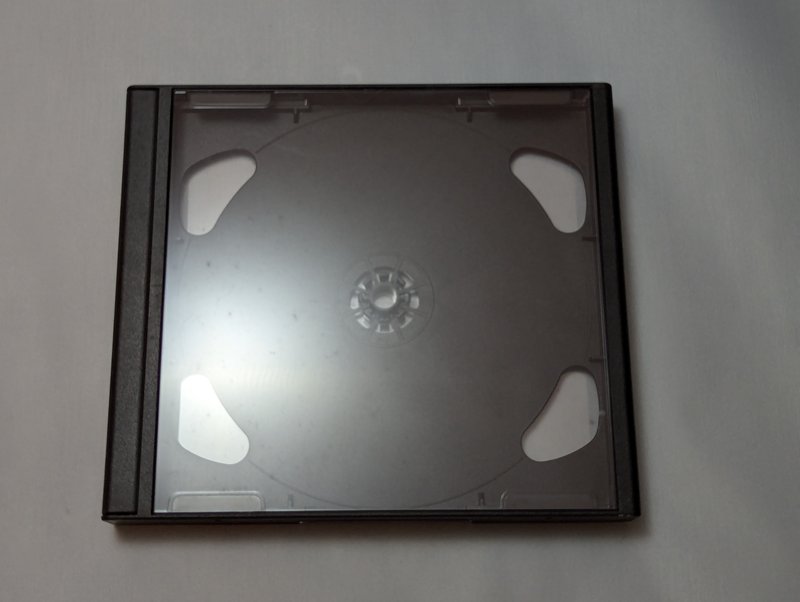
Physical Characteristics
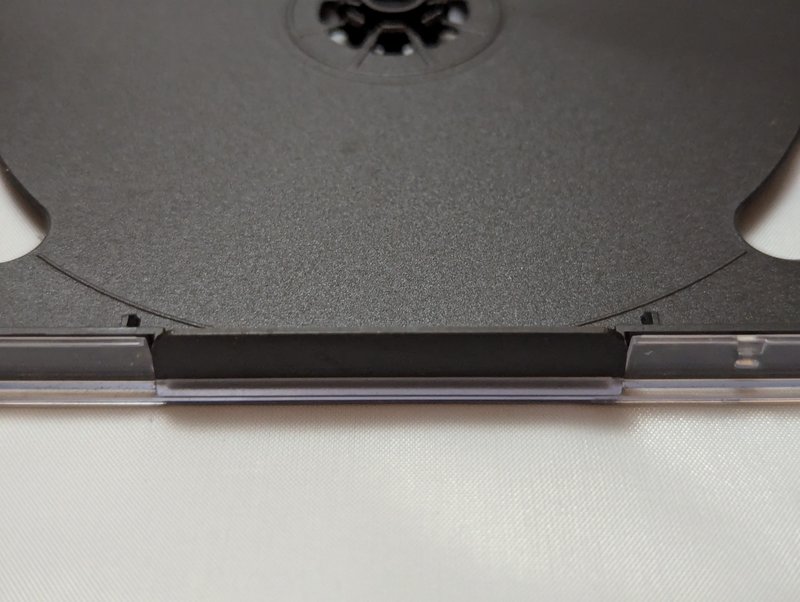
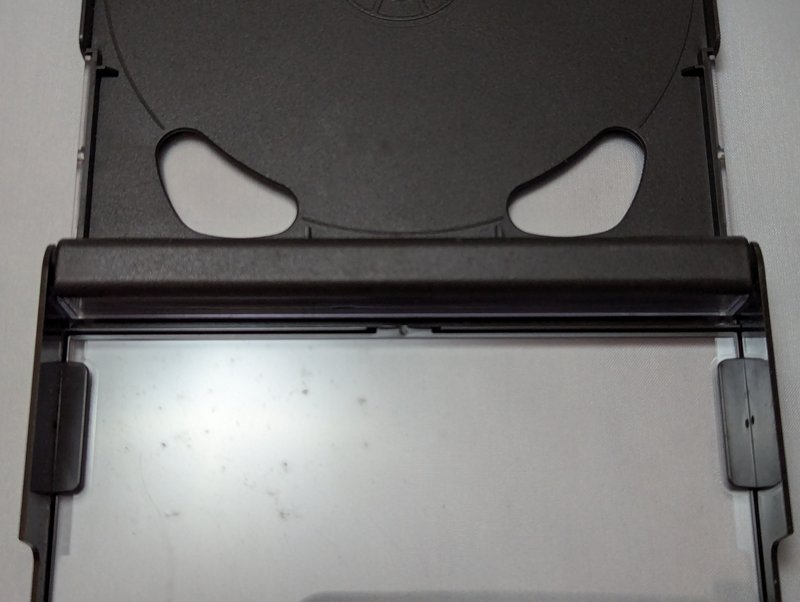
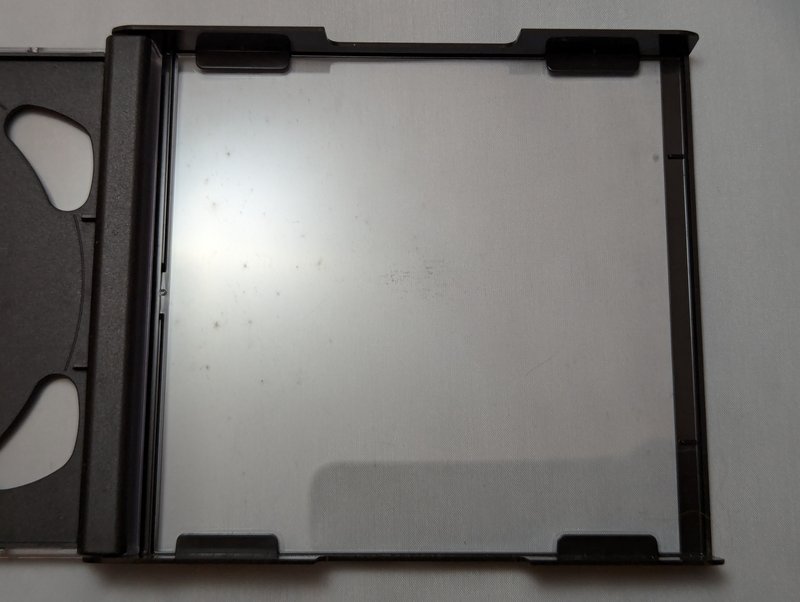
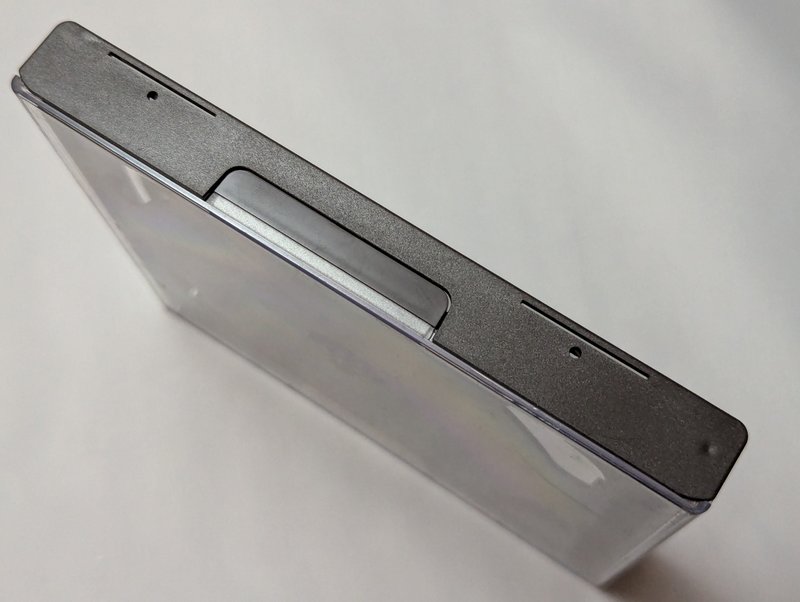
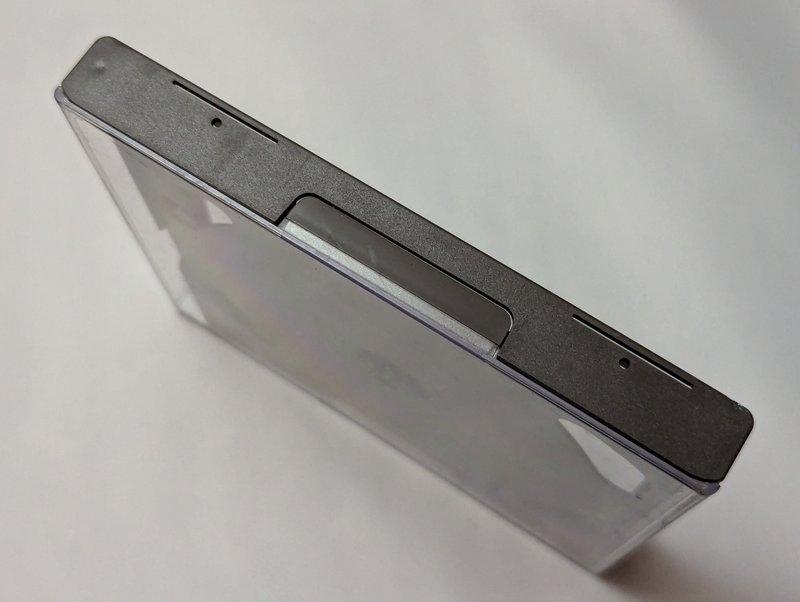
The mini black bordered PS1 jewel case measures approximately 141mm × 124mm × 17mm and features a hinged design with a clear front cover and black back tray. This case is a hybrid design, incorporating the thickness of a standard PAL jewel case however, it is the standard cd/multiway case height, making it 5mm shorter than most other PAL cases. The front insert typically displayed the game’s cover art, while the back showed screenshots, game information, and barcode. The front leaf of the case had a black plastic boarder around the edges and formed the top and bottom. The black plastic also contained the hinge. The rear leaf of the case was completely clear plastic and featured a variation in hinge design compared to the standard full jewel case. This case did not have additional PlayStation logos or identification.
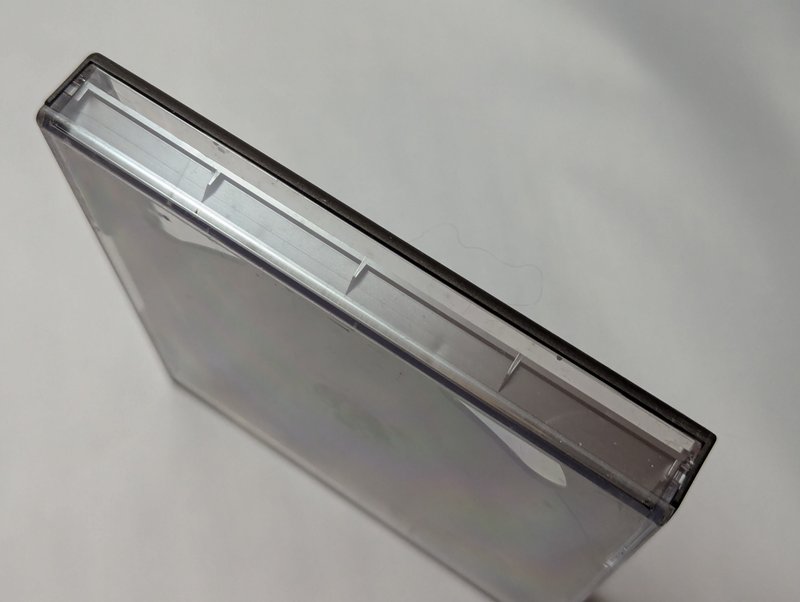
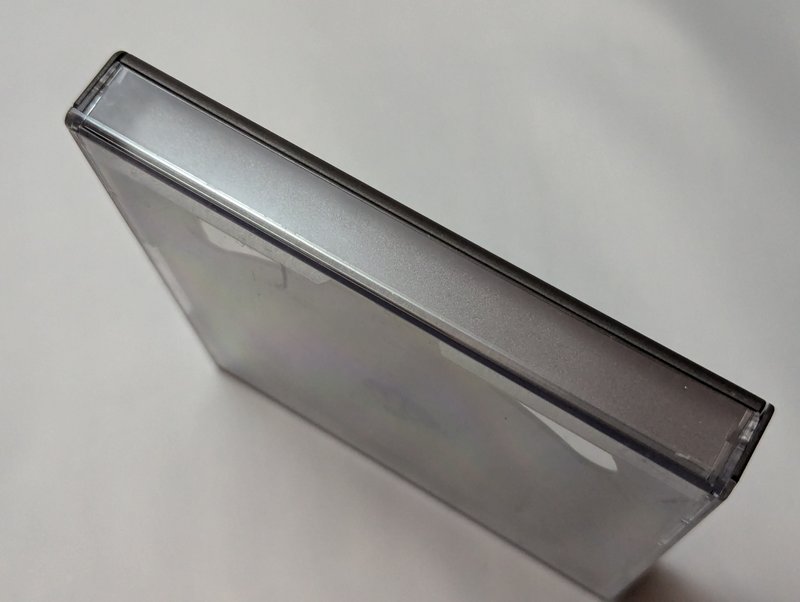
The height difference compared to the standard full PAL jewel case is immediately visible. The mini jewel sits noticeably shorter while maintaining the same depth.
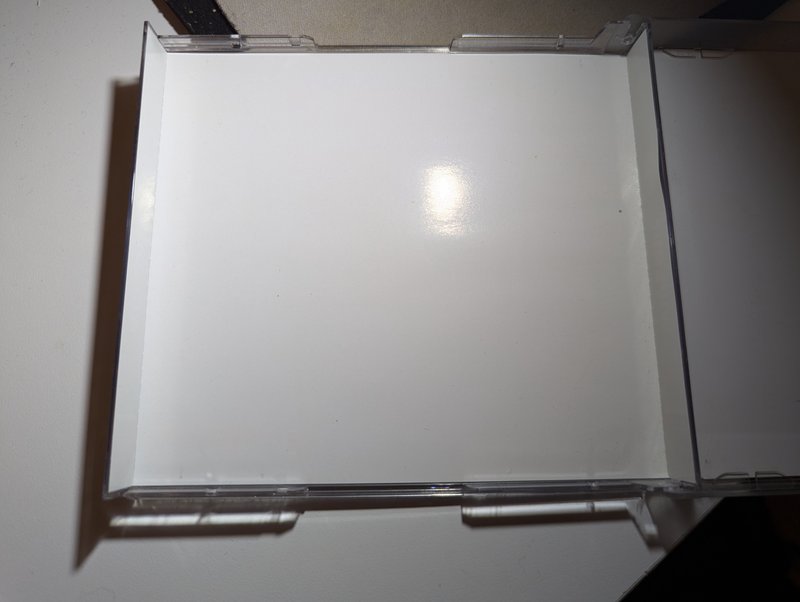
Interior Design
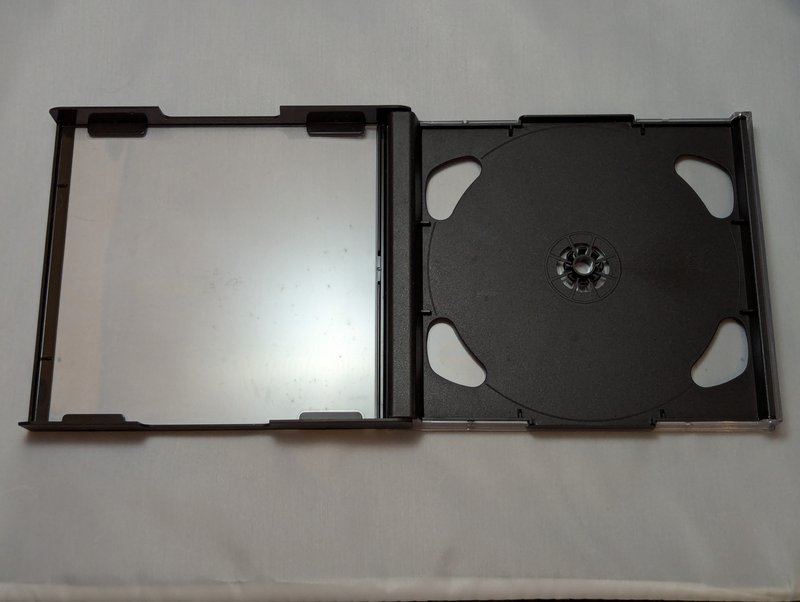
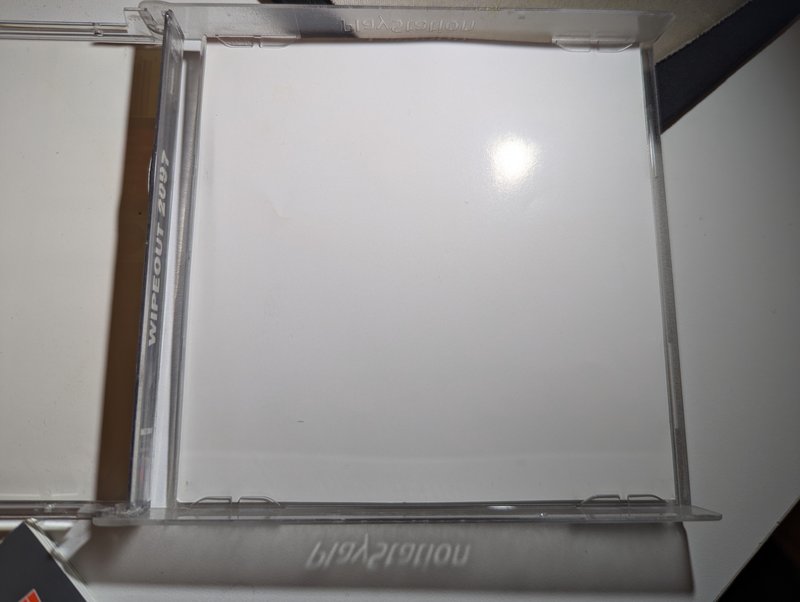
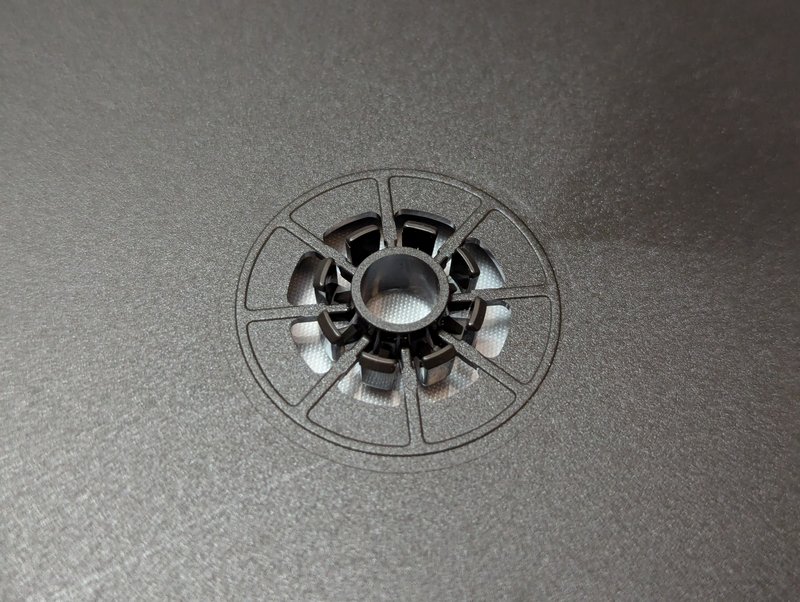
The case interior includes a black plastic tray designed to securely hold a single CD on the inside. The tray features a central spindle hub with retaining clips that grip the disc’s center hole. The fixing mechanism for these trays involved retaining clips on the left and a hinge of the right. This allowed all these cases to contain a second CD on the underside, between the rear inlay and the tray. This was only taken advantage of in a couple of releases and typically held a demo CD. There were no double CD games released in this case design.
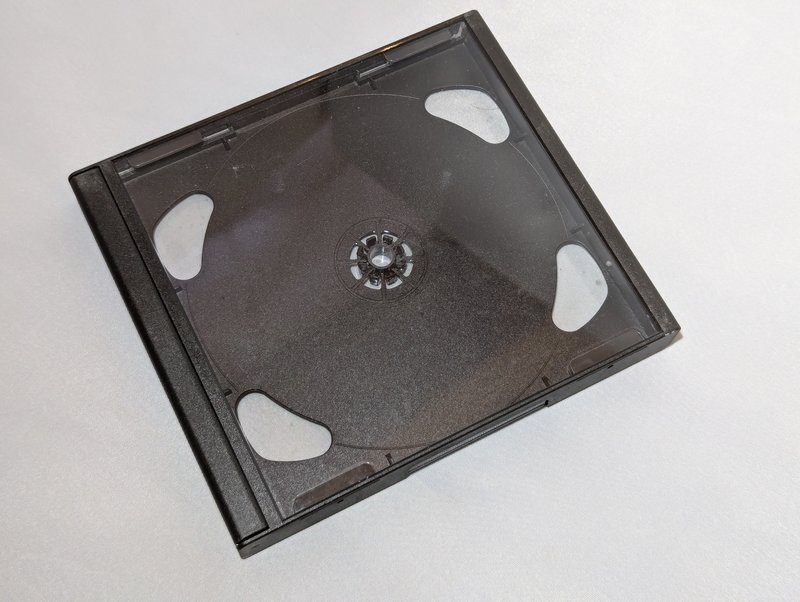
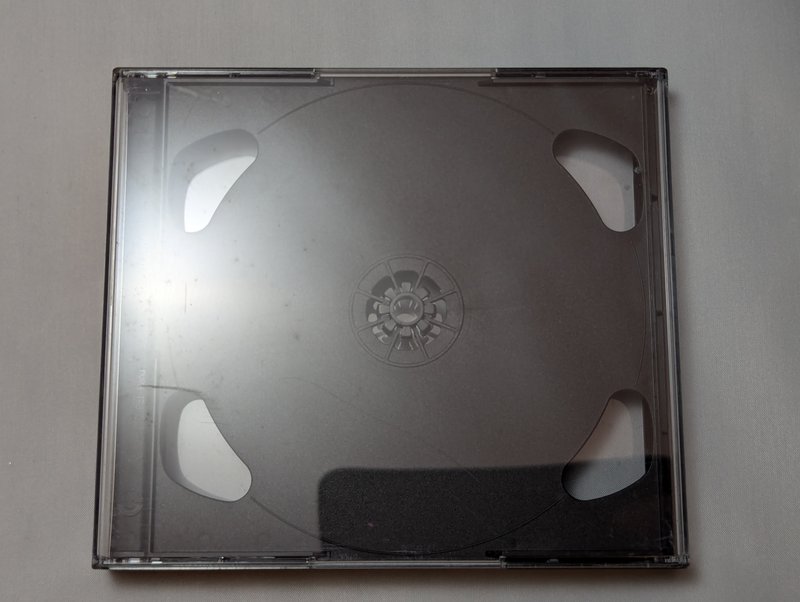
Durability Issues
These cases were slightly more durable than the all clear plastic full standard cases. The black plastic is slightly less brittle and allowed for a higher degree of flexibility. The hinge also had a design that was less likely to fail, with a thicker design in the more flexible black plastic. These cases are more commonly broken on the back, where the use of brittle clear plastic across the entire design led to weakness there. The CD spindle teeth on these cases were also more fragile. Finally, the rear artwork was not fully protected by this design. There is a small 2mm space that exposes the right of the rear artwork on the inside. While the clear rear leaf did provide some protection, a lot of copies have had significant foxing on the rear inlay here.
Release History
These cases started appearing in 1996 and by the end of 1997 were phased out. This period in PlayStation games publication was yet to be standardised where the full PAL jewel case was used exclusively except for games with over 2 disks.
Releases (119)
Browse variants by letter.
Total: 119 variants