Research is the core of everything we do here. Without meticulous investigation and a passion for detail, we’d just have another incomplete database adding to the noise. I’m pleased to report we’ve just crossed the 60% mark for PAL releases I’m actively tracking, and I wanted to share the methodology behind how we’re building this resource.
The Foundation: eBay as Primary Source
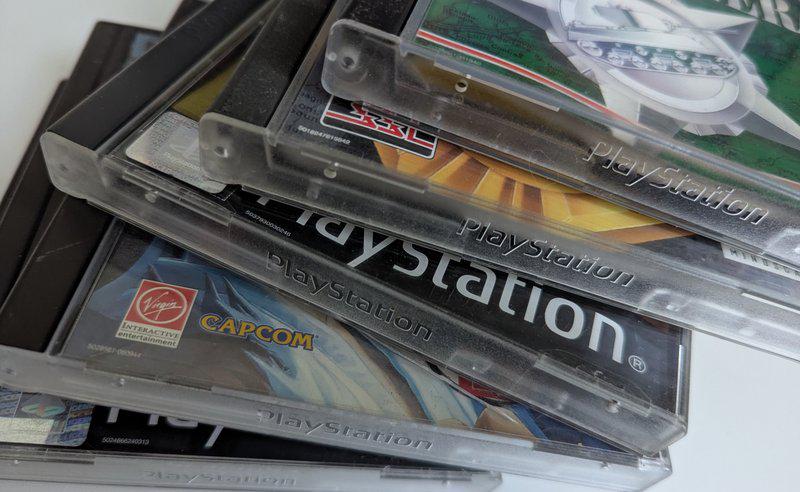
The vast majority of our research happens on eBay. It remains the single best marketplace for observing what actually exists in the wild, particularly for the UK and broader European markets. My approach is systematic: I use targeted search terms for specific titles, then sort by highest price first. This surfaces both current listings and sold items, giving me a comprehensive view of what’s out there.
Why highest price first? Collectors listing rare variants or games in the best condition tend to price them accordingly, and examining high-value listings first speeds up the time it takes to gather what actually exists. I’m looking at both active listings and completed sales to understand what exists and what’s actually changing hands.
Language Variants and SLES Codes
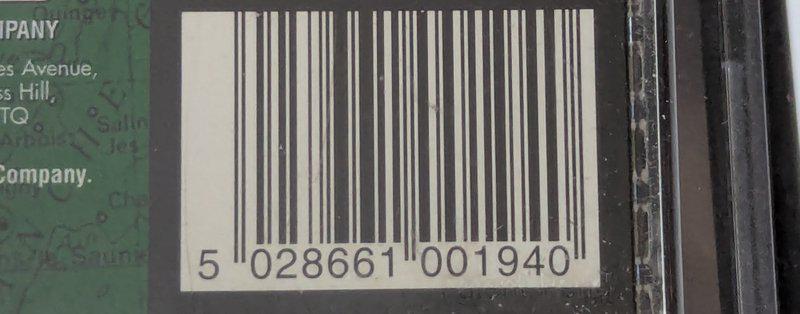
One of the more complex aspects of PAL cataloguing is tracking language variants. The situation is far from standardised. Sometimes a specific release has dedicated SLES codes for each language version. Other times, a single disc contains multiple languages but the code remains the same. Occasionally, the disc itself is only in English, but manuals and inserts indicate the game was released in other countries with localised packaging.
This is where tracking EAN codes becomes crucial. Sometimes the same EAN is used across multiple releases, though more commonly they’re unique to specific variants. These codes help us distinguish between genuine regional variants and grey market imports.
The Challenges of Physical Evidence
Case Holograms
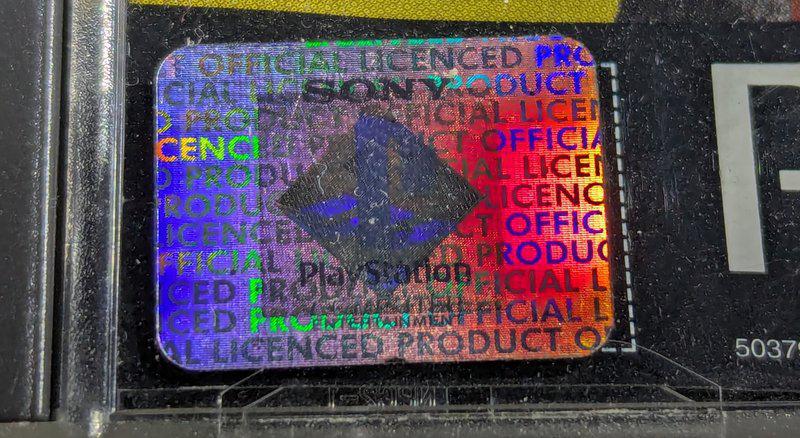
Authenticating case holograms is particularly difficult and relies almost entirely on properly sealed games. There’s a high likelihood of case swapping on the second-hand market, which means we simply cannot rely on opened or used copies to determine which hologram variant a game originally shipped with. This limitation means some data points remain uncertain until sealed examples surface.
Paperwork and Inserts
Cataloguing paperwork presents its own challenges. There’s a reasonably high chance of false positives due to paperwork being mixed up and this is compounded by the fact that roughly 90% of original paperwork was discarded over the past 25-30 years. My standard is to require at least three separate instances of specific paperwork across different listings before I’m confident about including it as verified data.
Case Types
Whilst 95% of PS1 cases are standard jewel cases, early editions were less standardised. This becomes particularly tricky when dealing with the Japanese-style case that was full-sized but featured a black border. Since standard PAL game content fits these cases, and case swapping does occur, we face potential false positives. Ideally, finding sealed copies will confirm the case type games were released with. However, like with paperwork, seeing multiple unique instances on the market can also confirm the facts.
Beyond eBay
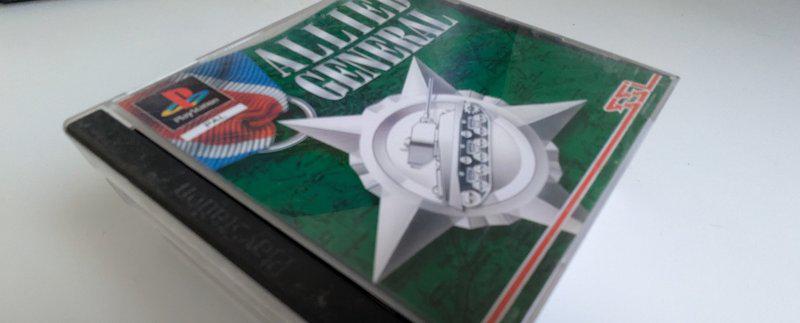
Some titles are exceptionally rare, and certain markets—Russia, for example—aren’t well represented on eBay. For these gaps, I’ve expanded the search to general Google queries, which has proven invaluable for uncovering variants that simply don’t appear on mainstream auction sites.
Prioritising Official Market Releases
It’s worth noting that whilst games were imported into many markets during the PlayStation era, I’m prioritising official market releases in the database. The goal is to document what was officially distributed in specific regions, not the grey market imports that inevitably found their way everywhere.
Looking Ahead
Research demands passion, a keen eye for detail, and above all, patience. We’re building something comprehensive and accurate, which means accepting that some data points will remain uncertain until better evidence surfaces. The 60% milestone represents hundreds of hours of careful cataloguing, but there’s still substantial work ahead.
If you’ve got sealed variants, unusual paperwork, or know of releases that seem under-documented, I’d love to hear from you. Every data point helps build a more complete picture of PAL PlayStation history.